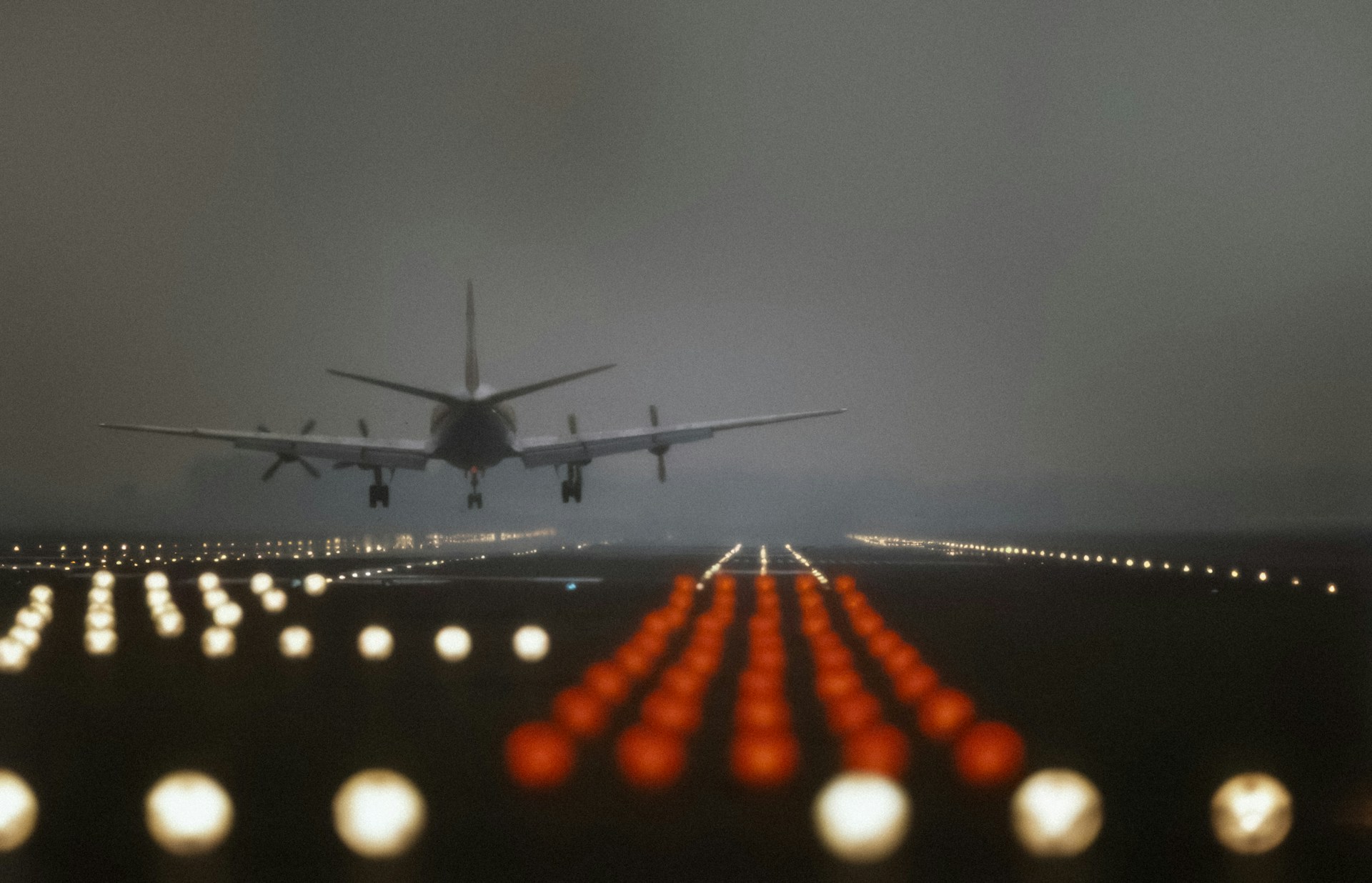
Recently, I watched The Last Frontier on Apple TV+. In one scene, the characters were discussing trust in aviation. They mentioned that around 100,000 flights operate daily, and then asked a simple question: how many failures would it take for people to stop trusting the system?
The answer was not a large number. It was four.
That idea stayed with me. It immediately brought to mind the events of September 11, 2001, when four hijacked planes changed global aviation permanently. In the days that followed, thousands of flights were grounded. Air travel paused. Security systems were rebuilt. Procedures were rewritten. The way the world experienced flying shifted almost overnight. Among thousands of safe flights, four were enough to reset everything.
It was not about statistics. It was about trust.
Trust is strange in that way. When it works, we barely notice it. We board planes without hesitation. We rely on colleagues. We assume systems will function. We believe people will do what they say. Trust operates quietly in the background of our lives, supporting everything without demanding attention.
Until it doesn’t.
A few visible failures can outweigh years of consistency. A small number of breaches can overshadow a long history of safe outcomes, not because the entire system was broken, but because confidence was shaken.
Trust is not built mathematically but emotionally. People do not calculate percentages, they respond to signals.
In work, trust accumulates slowly. It grows through small, repeated actions: meeting deadlines, being honest about mistakes, following through on commitments, showing up consistently. Over time, these habits create stability. People stop questioning your reliability because it has been demonstrated quietly, again and again.
But trust can weaken much faster than it was built. A broken promise, a careless decision, or a pattern of inconsistency can reshape how others perceive you. Even if most of your work has been solid, a few visible failures can change the narrative. It does not take many.
The same principle applies in life. In relationships, trust rarely disappears in one dramatic moment. More often, it erodes gradually through small acts of neglect, dishonesty, or indifference. Once it cracks, rebuilding it requires far more effort than maintaining it ever did. That is the asymmetry of trust: it compounds slowly, but it collapses quickly.
The aviation example stayed with me because it reveals something uncomfortable. Trust is not sustained by the absence of disaster. It is sustained by consistent integrity. We cannot control every outcome or prevent every failure. But we can control our reliability, our honesty, and our attention to detail. Every small action either reinforces trust or weakens it.
When it comes to trust, there is rarely a neutral.
Perhaps that is why trust deserves more attention than talent, speed, or even intelligence. Talent can impress. Speed can attract. Intelligence can solve problems. But trust sustains everything. Without it, systems pause, teams fracture, and relationships hesitate. With it, complexity becomes manageable.
The number in that scene was small. Four. It was not the scale of the failure that changed the world, but the weight those failures carried. Trust, once shaken, forces everything to slow down. It forces rebuilding. It forces proof.
That is what makes trust so valuable. It is invisible when strong, but undeniable when broken.